Mission
We want learners to speak their target language more naturally by starting with listening and speaking, placing them inside immersive situations, and using AI feedback to make each attempt feel useful rather than intimidating.
About Saga Lingo
Saga Lingo grew out of founder Wencheng Zheng's conviction that language learning should help people move from understanding words to actually using them with more ease, context, and confidence.
Mission
We want learners to speak their target language more naturally by starting with listening and speaking, placing them inside immersive situations, and using AI feedback to make each attempt feel useful rather than intimidating.
Current stage
Saga Lingo is currently in early preview planning. We are working with a small set of early users to understand which story formats, speaking loops, and AI interventions create the strongest motivation and confidence gains.
Founder
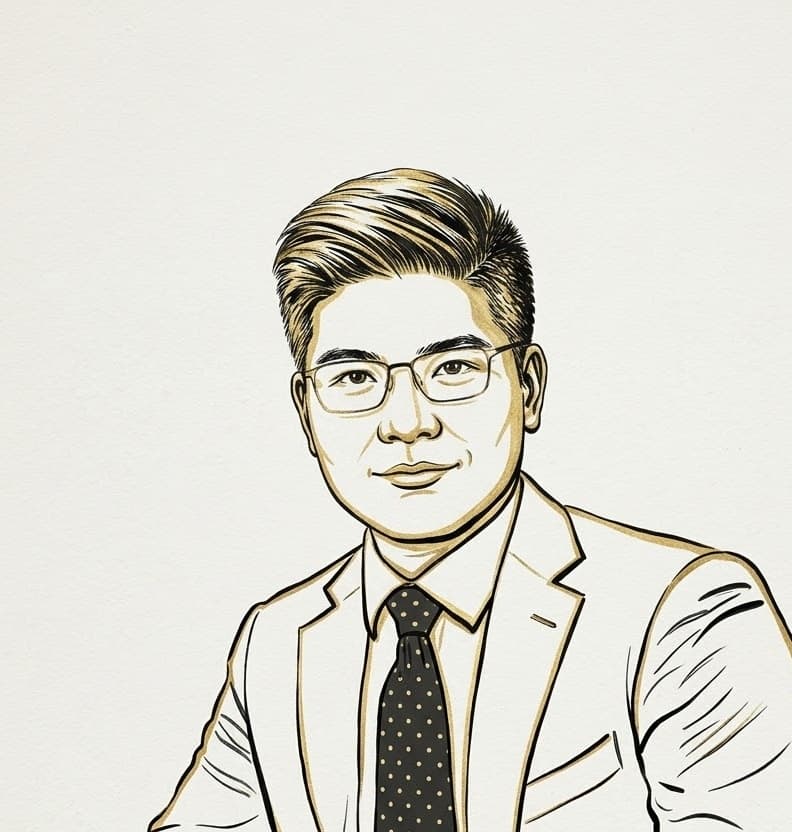
Before Saga Lingo, Mr. Zheng spent years working across education, learning structure, and product thinking. His earlier work included developing more organized approaches to knowledge, exploring AI-supported learning systems, and thinking carefully about how people progress when learning is designed well.
What stayed with him was not just the value of methodology, but the gap between knowing and using. Too many learning products help people consume information without helping them inhabit it. Saga Lingo was created to close that gap through a language experience that feels more situational, more emotional, and more usable in the moment.
That is why the product does not begin with endless drills. It begins with story, interaction, and feedback that helps learners keep their voice active while they are still inside the scene.
What he brings
Education design
Before Saga Lingo, Mr. Zheng worked on ways to make complex knowledge easier to absorb, including structured approaches that break learning into clearer, more manageable units.
AI in learning
He also explored AI-supported learning systems designed to help students practice, receive feedback, and move from passive understanding toward active use.
Product execution
His experience spans more than theory. It includes the practical work of shaping product flow, curriculum logic, and education offerings people can return to consistently.
How that background shows up in Saga Lingo
Saga Lingo is being shaped with the discipline of an education product, not only the polish of an app. The speaking flow, story progression, and feedback moments are all meant to work together so learners feel guided instead of overloaded.
It also reflects a curriculum mindset. Practice is meant to build in layers, so vocabulary, listening, pronunciation, and expression reinforce each other rather than appearing as disconnected tasks.
Most importantly, the product is trying to preserve motivation. The experience should feel like entering a living world where language has purpose, not returning to a screen that only reminds you what you got wrong.
Continue the conversation
We are building this with a close feedback loop. Conversations with early learners, thoughtful partners, and people who care about better language learning all help us sharpen the product.
If you are interested in early access, want to share perspective on language learning, or simply want to learn more about what we are building, reach out.